The Marriage Reality Show

by: Shirley Satterfield

This little poem comes with a disclaimer because it is my naughtiest poem ever. I wrote it one day to amuse myself when my slightly OCD husband instructed me on which side of the sink he wants me to wash dishes on. I didn’t think such a small matter was worth fighting over, but I thought in my heart of hearts that this guy must be my punishment for past sins. So I wrote this naughty little piece as a kind of a private joke to myself to release a little stress. So I am going to share it here in what I perceive is a safe enough space. I do hope I don’t get canceled though for being politically incorrect.😂

The Marriage Reality Show

Domestic chores
From the kitchen to the door.
Sweet punishment.

Scrubbing toilets.
Sweeping floors.
Sweet punishment.

Doing dishes
Being poor.
Karma found his sinful whore.
Sweet punishment.

Bulgaria’s Alexandar Tomov Jr.: He Writes About All Things Absurd

Bulgaria’s Alexandar Tomov Jr.: He Writes About All Things Absurd

Alexandar Tomov Jr. was born in Sofia, Bulgaria on June 3. 1982 in the shadow of the Soviet Empire. And, as Bulgaria was embarking on its own experiment in democracy when the Iron Curtain fell in 1989, Tomov Jr, was finding his own literary voice by reading the great authors of his country as a rising student.

Tomov Jr. is an up and coming author and film maker like his father Alexander Tomov was a prominent film maker and writer in his native country of Bulgaria and worked as a an editor at Bulgarian National Radio in Sofia. Tomov Jr. himself is a writer of pithy little short stories and a maker of film shorts in the genre of the Absurd. And he aptly captures the absurdity of such things as the absurdities of a world leader who makes a deal with the Devil to have and orgy in his mansion and another on whom the peace of the whole world depends who is guilty of rape and murder in his story entitled “Beyond The Absurd” (also the title of e-book collection of short stories) and the futility of the dreams of a young girl being controlled by her mother in a totalitarian household (environment) in the story entitled “The Wanderer”. Tomov Jr. has a real flare for political realism and satire in his imagery, and a common motif he uses in his stories is the presence of fire which is a common element in Bulgaria’s history that the people used to banish evil spirits, and more recently, was representative of the terror of nuclear annellation for the people. So perhaps Tomov Jr., with his own unique genius, is banishing the evil spirits and the terror of war from modern society in his stories.

This is his life and literature, and his father in his own words:

1.Tell us, Alexandar, about your life, the literature of your country and what were the seminal influences in literature on your own writing and film making.

About Your question… We have some very typical and original writers deeply connected with the Bulgarian nationality and history, like Ivan Vazov, Aleko Konstantinov, Luben Karavelov. But our most famous poet, who is also national hero in Bulgaria is Hristo Botev–.(1947 – 1876). Genial poet, many critics consider it untranslatable because of the deeply typical Bulgarian features in his poetry

My unique fascination with literature starting at the age of about 11 when I read “The Little Prince” by Antoine de Saint – Exupéry. This book amazes me to this day. It is a simply written story in which there is the whole world. This led to studying the works of some of my favorite authors as Fyodor Dostoevsky – ‘Crime and Punishment’, Franz Kafka – ‘The Metamorphosis’, Edgar Allan Poe – ‘The Black Cat’, ‘Morella’, ‘The Pit and the Pendulum’, Mary Shelley – ‘Frankenstein’, Friedrich Nietzsche – ‘Thus Spoke Zarathustra’ and others. Much of my views of life and art were influenced by my favorites scientists – psychologists – Sigmund Freud and Carl Jung works. As I approached my tenth-grade year in high school, I started to conceive that the emotional creativity one gets from studying literature can be used in generating cinema, especially experimental films that we Bulgarian Filmmakers normally produce. There is more to just a story, but those deep underlying psychosomatic feelings that one gets when studying an excellent choice of literature that is important. I realized that there is an art and a skill of translating those emotions to the audiovisual in cinema. From my studies of literature, I came to the conclusion that there are ten to fifteen-story themes that, if told right, can mesmerize a reader. These themes can certainly be translated to the cinema and also make real-life inexplicably interesting. My personal listing of these eternal subjects are love, death, friendship, betrayal, jealousy, greed, envy, hate, power, sex, violence, fear, revenge, remorse, change.
2. I understand that your father was famous Bulgarian author and film maker Alexandar Tomov; can you tell us about him?

I start answering to Your question. Sorry for my language, maybe answers will need some editing for the interview. My father, Alexandar Tomov – Senior,(R.I.P, 1944 – 2020), was a famous Bulgarian writer and screenwriter with eleven screenplays made in movies in Bulgaria. Some of the most famous Bulgarian films of the 80s and 90s are based on his scripts. Movies like ‘The Insurance (1998), ‘Margarit and Margarita’ (1989), ‘Pantudi’ (1993), ‘Live dangerously’ (1990), ‘Romantic story’ (1985), and some newer films as ‘The Rest Is Ashes’ (2020). He also have more than 40 novels, short stories and poetry. My mother is also writer and playwright. So, I would like to take the credit for being one of those kids that literature and cinema was my life’s calling. My fathers profile in IMDb: https://www.imdb.com/name/nm0866957/?ref_=pro_nm_visitcons

Thank you Alexandar for sharing for fascinating life, literature, and country with us. Living on the edge of the Cold War has made you an especially compelling writer about all things dangerously ridiculous.

Alexander Tomov Jr. currently lives in the bustling, cosmopolitan capital city of Bulgaria, Sofia, home of the Ivan Vazov National Theatre and the National Opera and Ballet of Bulgaria, where he writes and makes short films and book trailers for other writers. Sofia is the prime cultural center of the nation.

Alexandar Tomov’s short films, short stories and links his book “Beyond the Absurd” and to his book trailer business can be found on his Facebook group page at https://www.facebook.com/groups/443545943496891. His book is also available directly from amazon.com. Check him out.

The Pearly Gate of Heaven

by: Shirley Satterfield

The Pearly Gate of Heaven 💎

Jesus is
The pearly gate of heaven,
The foundation of precious stones,
The translucent streets we walk on,
The rainbow that graces the throne.
He’s all in heaven precious.
Drive home this precious message.
He’s eternal Day’s most golden ray.
“He’s all my hope and stay.”

The Space

by: Shirley Satterfield

The Space🪐

I like to sit alone
In my inner-intuition zone
Where my thoughts are wont to roam,
And lovely things are home.
In that space inside my head,
I ponder things I’ve read.

And think on lovely things instead
Of dark things in my head.

Earth Place

by: Shirley Satterfield

Earth Place 🌎

Earth place is a bold place
With its massive mountains
And its dancing trees,
Its carved out bowls of endless seas,
With rainbows appearing here and there in the purity of island air.
Those super deserts with their
towering rocks
Is enough to rock me in my socks.
Earth place is a bold place,
The spacious home of the human race.

Poetic Imagery: Little Snapshots in the Mind

Poetic Imagery: Little Snapshots in the Mind

As we have seen before in modern and post-modern poetry, the sky’s the limit when it comes to the style of poetry you choose to write, You can write anything from the highly regimented Shakespearean sonnet with it’s hard and set rules of meter and rhyme to Whitman’s free verse without a set meter or rhyme scheme that just flows in the natural rhythms of the poets own mind and still call it poetry. However, imagery is a different matter, and we are hard pressed to call a written expression a poem if it is devoid of imagery.

Without imagery all you really have is a piece of prose organized to look like a poem because it is simply written in columns or verse form, so don’t let looks deceive you. It’s the imagery of a poem that helps the reader to experience the essence of the subject of your sentence or poem. It’s basically the sounds, scents, textures and visuals that both the poet and the reader experience in their heads when experiencing your poem, the mind pictures if you will.

For the intents of this essay, we are going to examine this common types of imagery: simile, metaphor,
and allegory. When you use a simile, you compare apples and oranges, if you will, as they are both perfect spheres. You can say for instance that “She walks in beauty like the night,” or “:She walks in beauty as the night,” and the reader will immediately make a connection between “Her” the subject of your sentence or your poem and the night in your mind’s eye. You may even be able to see a beautiful woman walking outside on a starlit night in your mind’s eye. But then an even stronger connection can be made using a metaphor to say, “She is the beauty of the night.” So, the basic difference between a simile and a metaphor is the use of the word’s “like” or “as” in a simile or the word “is” in a metaphor, thereby you can control the very subtle shades of meaning in your poem.

Allegory on the other hand, is a literary device that gives human traits to animals, ideas or inanimate objects in a narrative that teaches the reader a life lesson such as we would see in a myth. C. S. Lewis, for example, was probably America’s greatest allegorical writer with his fantasy writings of of “The Chronicles of Narnia” in which animals, mythical creatures, and inanimate objects such as “The Lion. The Witch, and the Wardrobe” talk and transport us to worlds unknown. Another good example of a modern allegory is the story of “The Lion King” in which all the animals talk and are oh so human.

But, although these various types of literary devices discussed here are what basically make a poem a poem, they can also be found in prose writing such as the in the highly descriptive purple prose of fiction and creative non-fiction. However this kind of rich imagery is highly discouraged in journalistic writing that depends solely on the facts and interesting little details of a story.

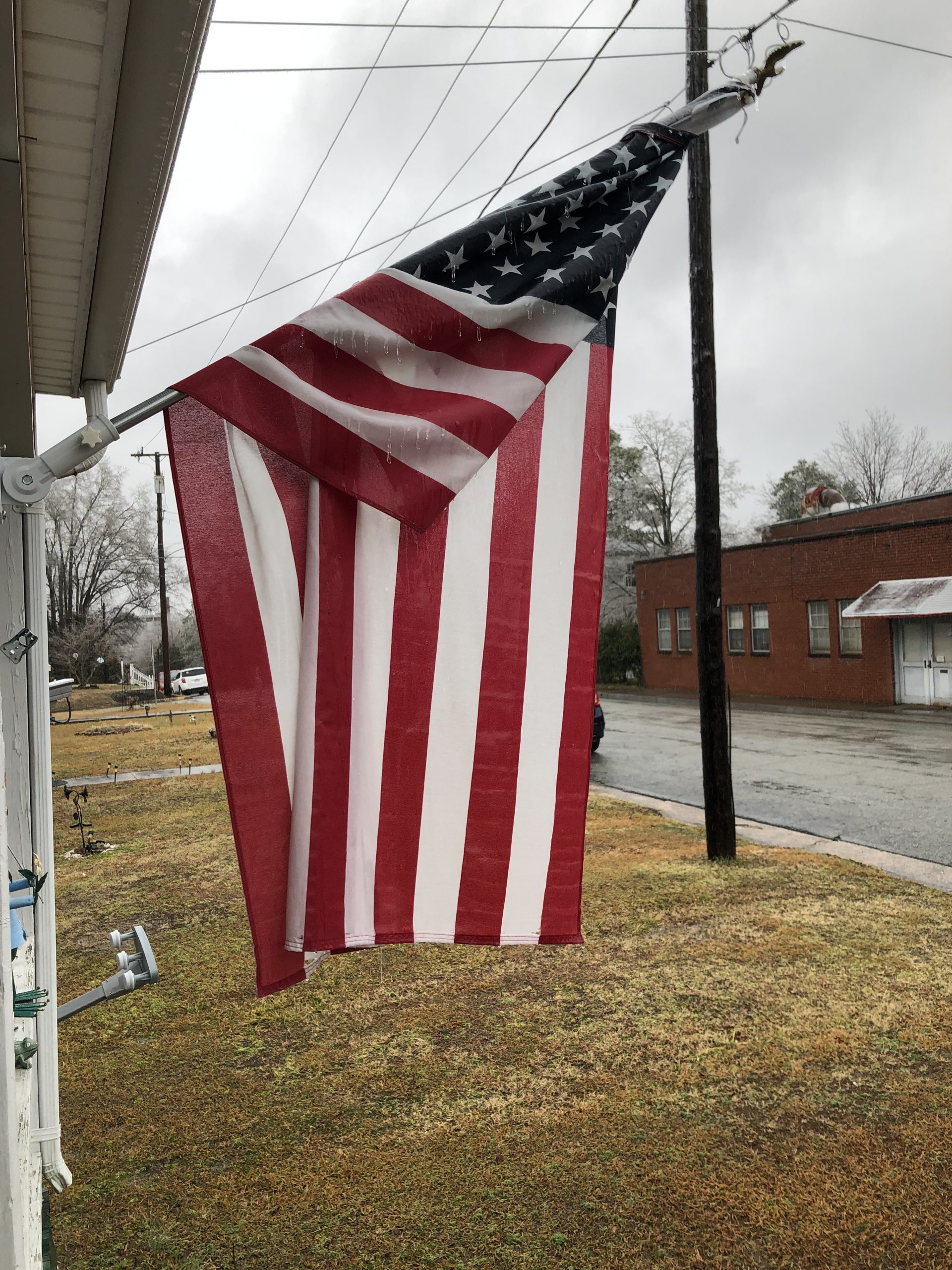
Ice Storm

by: Shirley Satterfield

Ice Storm 🧊

Ice storm,
Out of the norm.
Slipping and sliding all over the place,
Terror of the human race.

Ice storm,
Out the lights gives us a fright,
Lose all our food.
Bleakness in the neighborhood
Weighing down the trees,
The world’s about to freeze.

Ice storm
Is out of the norm.
Outlier of the weather station,
Crippler of a city-nation.

Baltimore

by: Shirley Satterfield

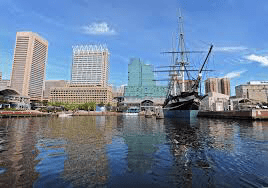
Baltimore 🚢

Baltimore is a historic place
Where spices are brought in sailor’s haste,
But isn’t it a pity
That the city is known for “The Block”,
Sex industry’s American Rock.

Monuments all over the place
That divide us by religion and race.
“The Thinker” is my favorite rising granite,
The sum total of the best on this planet.
With his chin resting on his clenched up fingers
And his head in the space where his higher thoughts linger.

A tall ship is now at rest at
Harbor Place.
Let’s hope that we can find a trace,
In Baltimore, our historical place
Of brotherly love sublime
And a trace of mankind’s reason and rhyme.

I Have Decided to Follow Jesus

by: Shirley Satterfield

Been praying tonight and I want the world to know that I have decided to follow Jesus. The cross before me; the world behind me. The cross before me the Church behind me. The cross before me; the Trump behind me. No turning back. No turning back. The Bible says that there is no other name under heaven by which we can be saved, but at the name of Jesus every knee shall bow and every tongue confess that Jesus Christ is Lord. Your Church friends can’t save you. No man can save you, no king, no President, no religion, even no amount of water can save you. Only Jesus can save you through simple childlike faith in Him. So I am praying with all my heart that my own simple childlike faith in Him would be restored as in times past. Just me and Him together. Though none go with me still I will follow Jesus.

Everything is so messed up everywhere now that we surely desperately do need Him.

Inaugural Poet Amanda Gorman: From Watts to Front and Center

Inaugural Poet Amanda Gorman: From Watts to Front and Center

Amanda is a young poet who was first to do a lot of things. Born in Los Angeles, California, and raised in the neighborhood of Watts by a single, English teacher Mom named Joan Wicks, she became the first person to be named Youth Poet Laurent of Los Angeles at age 16, and then she became the first person to be named National Youth Poet Laurent for the United States in 2017 at age 19. She then broke a stunning age barrier when she delivered her iconic poem “The Hill We Climb” at President Joe Biden’s
inauguration ceremony. And she was a stunning success reciting these words which were written against the backdrop of the recent Capital building riots.

“Let the globe, if nothing else, if nothing else, say this is true, that even as we grieved, we grew. That even as we hurt, we hoped. That even as we tired, we tried. That we’ll forever be tied together, victorious, not because we will never again know defeat, but because we will never again know division.”

Now Gorman’s two books “The Hill We Climb” and “The One for Whom Food Is Not Enough” have skyrocketed to the top of the New York Times best seller list. But early success notwithstanding, Gorman does have her obstacles in that she is a consummate performing poet who suffers from hearing loss and a speech impediment in which she says she drops some letters from her words such as her Rs and has to practice and practice. She also describes herself as having been a “weird child” who apparently felt more at home with books than with people. But she also enjoys a close relationship with her elder brother Spenser Gorman and her twin sister Gabrielle who is also an activist and a creative like herself who pursues the film-making arts, and it sounds as if Amanda and her sister are close.

Gorman began her poetry career as early as the third grade and now uses historical music such as found the the musical play “Hamilton” as seminal inspiration for her poetry (as in a music prompt) and her subject matter includes feminism, racial equality, and the diaspora of the African people through slavery.

Today this bright young lady is also an activist who currently lives in West LA.

The Modesty of Tombs

by: Shirley Satterfield

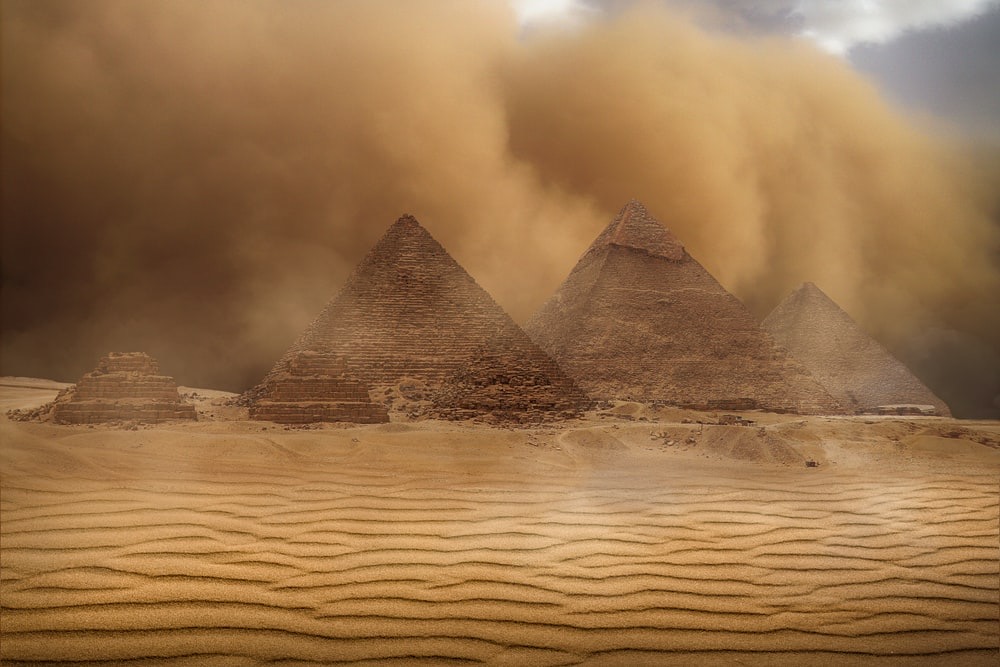
The Modesty of Tombs 🏝

Who can fathom the mystery of the desert
Veiled in wind-driven sand
With a certain modestly of Tombs.
For death is a modest place,
Both for the pharaohs who lived spectacular lives,
And for the lowly peasants buried
Without ceremony under the sand.
For all rot and are deeply silent
In eternal repose.

Death is the greatest equalizer of man.
This is God’s plan.

What Are Poets? Part II

by: Shirley Satterfield

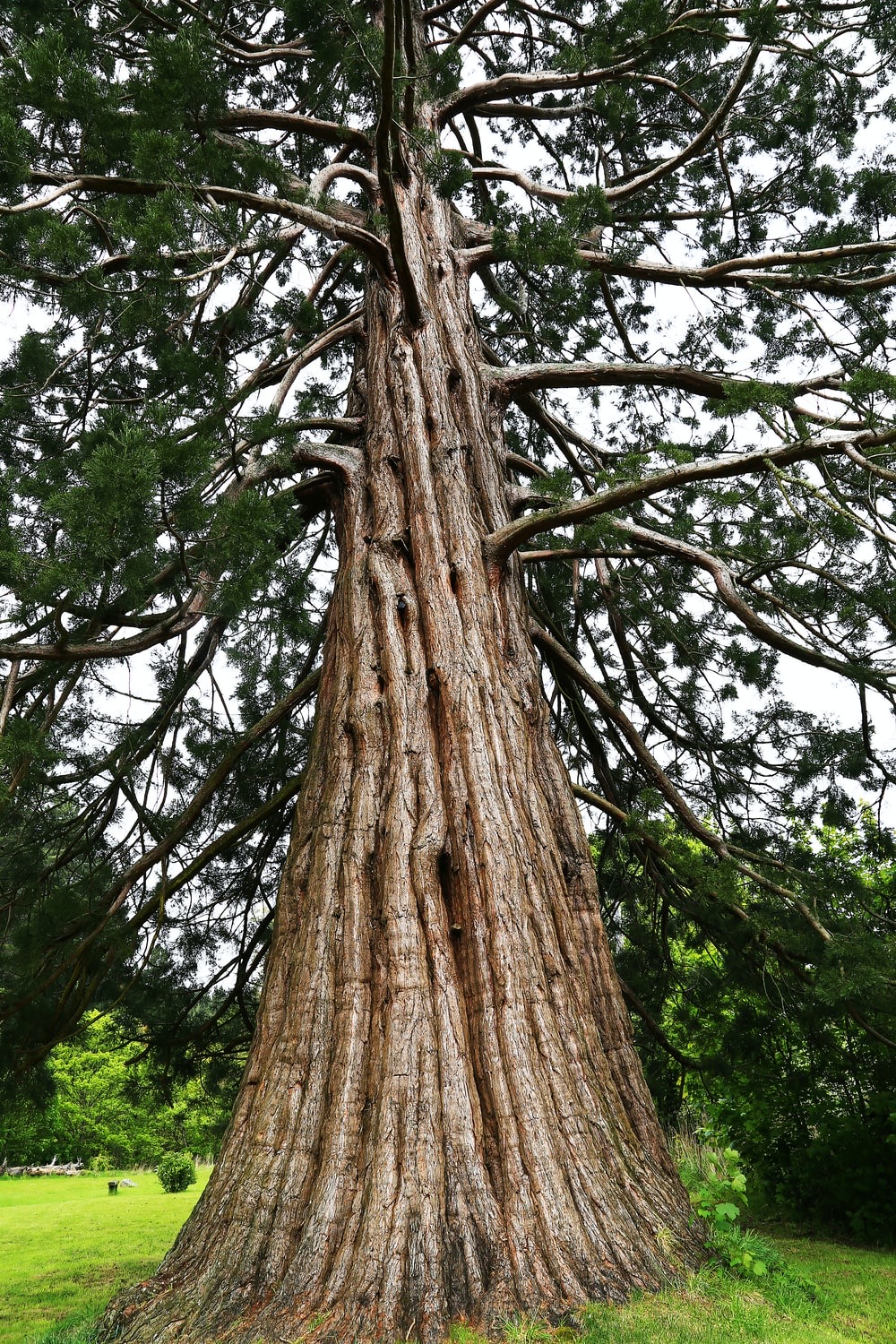
What Are Poets? Part II 🌳

Poets aren’t pansies.
Poets are Redwood trees
That stand the storms
And the test of time.
Poets will expose a mankind’s
Kind of crime.
Poets will go to jail
After graduating from Yale
And live in the rough.
Poets are not pansies.
They are tough.

What Are Poets?

by: Shirley Satterfield

What Are Poets? 🐎

Poets aren’t pottery.
Poets are forged
In the fires of a blacksmith shop
And beaten by the Master
Into their unique, organic
Horseshoe shapes.
We are like red hot iron
In the hands of the Ironsmith;
Like all souls scorched
With third degree burns.

Neil David Chan: Canada’s Own Post-Modern Metaphysical Philosopher

Neil David Chan: Canada’s Own Post-Modern Metaphysical Philosopher

In this article author, poet and philosopher Neil David Chan answers three important interview questions to define his beliefs concerning hid doctrine of metaphysical philosophy, His book “A Higher Conversation: Another Way to be Human” is published by Austin Macauley Publishers with offices in London, Cambridge, New York, and Shariah and is available on Amazon.

Definition of Metaphysics and Metaphysical.. ——————— Physical is what can be seen, touched and heard . Metaphysical is what cannot be seen, touched or heard BUT only felt- Feeling is the language of the metaphysical world. Our body is physical, our mind and soul are metaphysical. We cannot see, touch or hear them. The soul talks to us by feelings only, our mind is a great processor that converts our feelings and messages our body to act and react. Our mind is akin to a computer CPU – where did human beings get the computer idea from? It’s just a copy of our internal structure ———————

How does metaphysics relate to GOD? ————— God is the highest form of a metaphysical being. In JK Rowling’s book Harry Potter Lord Valdemort survived death by fracturing his soul in 7 parts and hiding it in several places. JK Rowling got this idea from the fact that God also fractured his energy into individual souls and enabled life in a physical form to happen. In a soul form there is no physical sense in a physical form there is abundance of physicality but we are made to forget our real metaphysical form because the journey from a physical being to a metaphysical being is a wonderful journey. Our Soul is God in an individualized form, this is what gives life to a human body – like a battery to a machine. It silently stays with every body hoping to see you remember and Re- member with God. When one day we make that connection and understand that you are a soul in a body – what the world calls enlightenment takes place. Jesus did his miracles because he knew who he was and so was enabled with the power to give – remember what he said in John 10:34 – “Ye are Gods” in Aramaic. No one believed in it – God is our soul in a miniature form to help us live life – we never use it – this is my book- Have that conversation with your soul because it’s a higher Conversation.

How does man relate to God and metaphysical? ——— In our ancient times man was used because we did not understand the use of gender neutral language. The term should have been human being – because God does not have a gender – it is an energy with super capacity and capability- power to create and recreate – when this powerful energy being wants to become physical, it takes the shape of a human being to feel physicality in Earth and in many other forms in billions of other planets . All physical life is God in a different shape – we just don’t remember. This loss of memory was purposely done for us to remember in our own way who we are – this way our journey becomes a mystery for us to solve – if we all knew who we were at birth what fun would it be growing up. In Jesus God gave us a demo of who we really are , he did do in the past with Buddha and other avatars . The create part is represented as Man and Woman and the recreate part is represented by the Woman. We do not see it this way . The power to recreate was given to a woman only because she has more loving abilities than a man. A child grows up only with love and this is given by the woman in plenty. But the coming of man and a woman is duality and necessary to sustain life, Till one day we all realize who we really are our earth will continue to be a mess because our struggle as a body form is going to be challenging simply because we don’t use our two metaphysical resources given to all of us in birth- body, mind and Soul… Both man and woman are two souls in two opposites body forms, all of life’s choices are opposites only because we get the opportunity to choose – love and fear , anger and peace- man and woman – instead of using the opposite as an opportunity, we fight it and keep choosing the wrong choice all the time. So life turns into a wrong turn till we get back on the main road.

I hope you got this – May I answer any questions you may have ? —————- We can’t see God, can’t hear God, can’t touch God, only feel God thru our Soul. God is the perfect and primary form of a metaphysical energy and we are the secondary form. GOD can be said to stand for the greater of the denominator , with human beings, animals trees and plants in Earth being the denominator.

Thank you so much Neil for sharing your thoughts with us. I am so looking forward to reading your beautiful book.

We Got Rhythm: The Beat of the Bard

We Got Rhythm: The Beat of the Bard

Good poetry being a close kin to music not only depends on the sounds of words to make it musical, but it also needs to have a certain meter and rhythm to make it akin to a song. And what we have here are the patterns and the measures used in traditional poetry; it is the math inherent in poetry so get out your math thinking caps for this article, word-nerds.

Rhythm is the pattern of stressed and unstressed syllables in a word such as in Duhduh in which the first syllable is stressed or duhDuh when the second syllable is stressed. These little units of stressed and unstressed in a word or group of words the are measures which are called feet, and meter depends on the number of feet which are strung together in a line, as in iambic pentameter which has five feet (five units of sound consisting of one unstressed syllable and a stressed syllable) as used by Shakespeare in his sonnets, “Shall I compare thee to a sum mer”s day” a definite duhDuh duhDuh duhDuh duhDuh duhDuh pattern. And this particular Shakespearean pattern is most common in traditional English poetry.

There are actually five common rhythms in poetry which consist of the following:

1.Anapest: duh-duh-Duh as in “but of course!”
2.Dactyl: Duh-duh-duh as in “honestly”
3.Lamb: duh-Duh as in “collapse”
4.Trochee: Duh-duh as in”pizza”.

And the number repetitions of these feet in a line are named as follows: one foot in a line is called a monometer, two feet is a dimeter, three feet is a trimeter, four feet a tetameter, five feet a pentameter and six feet are a hexameter.

Now I hope your eyes are not too glazed over by now, but fortunately in today’s modern poetry, with poetic poetic license that we enjoy today the hard and fast rule books have been tossed away. But even this free-verse poetry that we write today should have a certain flow which possesses the natural rhythms of contemporary speech today along with room for individual differences in our thought patterns. I have heard it said that traditional iambic pentameter was the natural rhythm of speech in Shakespeare’s day,

Bound All-Around

by: Shirley Satterfield

Bound All-Around 🗣

Lord God set me free.
She’s a fake friend if ever
there was one.
She’s like Attila the Hun
Goose stepping across the landscape of my life.
Controlling as a fish monger’s wife.
Oh Lord, this relationship is not sound,
Set me free; I am bound.

Otherworlds

by: Shirley Satterfield

Otherworlds

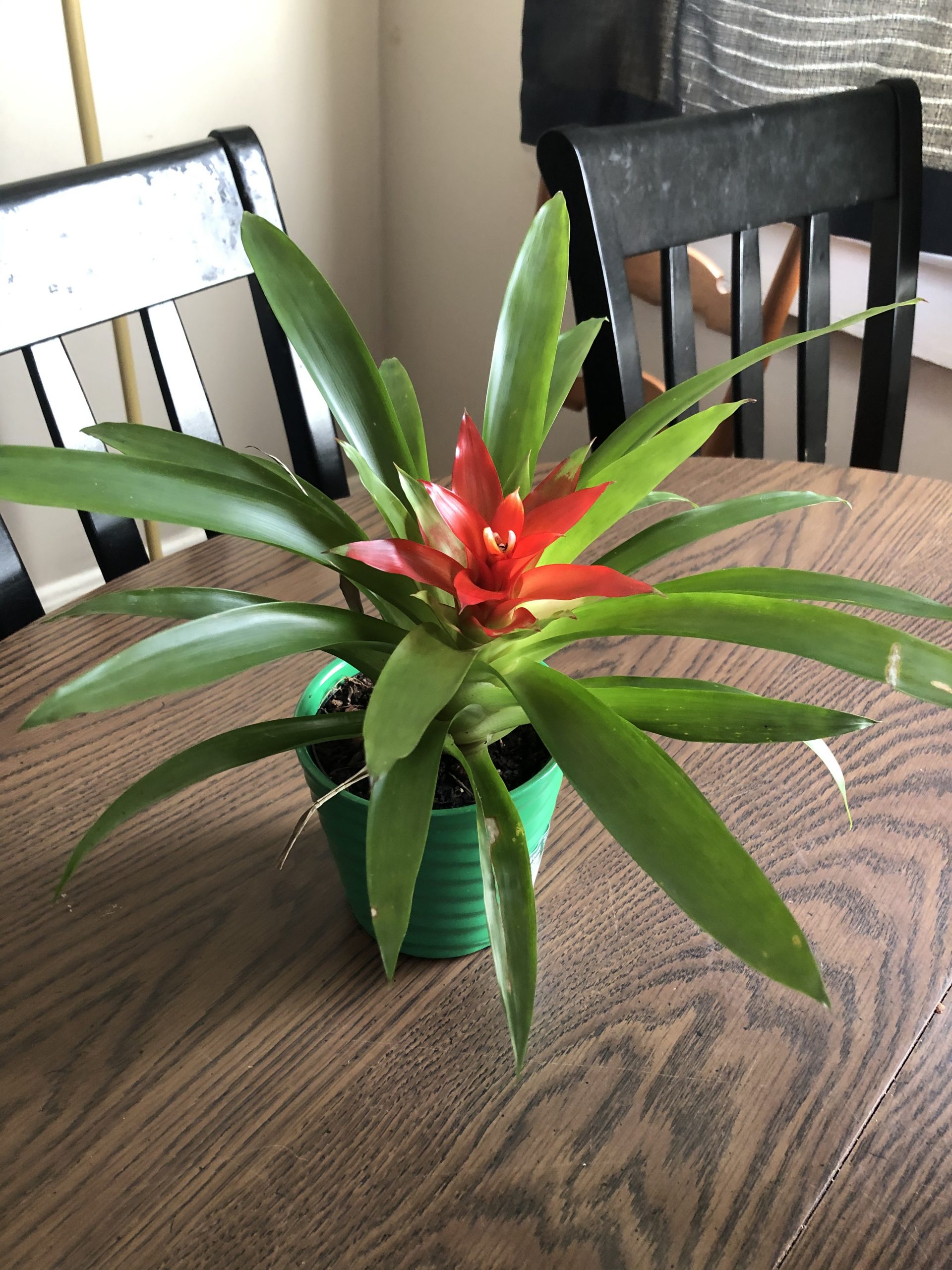
This fountain plant delights my eyes,
Makes my spirit man arise.
The body is the receptacle of pleasure,
And the discerner of much pain
While soul reaches up
to touch a higher plain where
The joy of God resounds
And the prayers of man abound.

Metaphysical world
Cannot be seen.
It’s the place of heavenly dreams.

Metaphysical world
Cannot be be felt
‘Till the aging flesh will melt.

Oh Fort McHenry

by: Shirley Satterfield

Oh Fort McHenry 🇺🇸

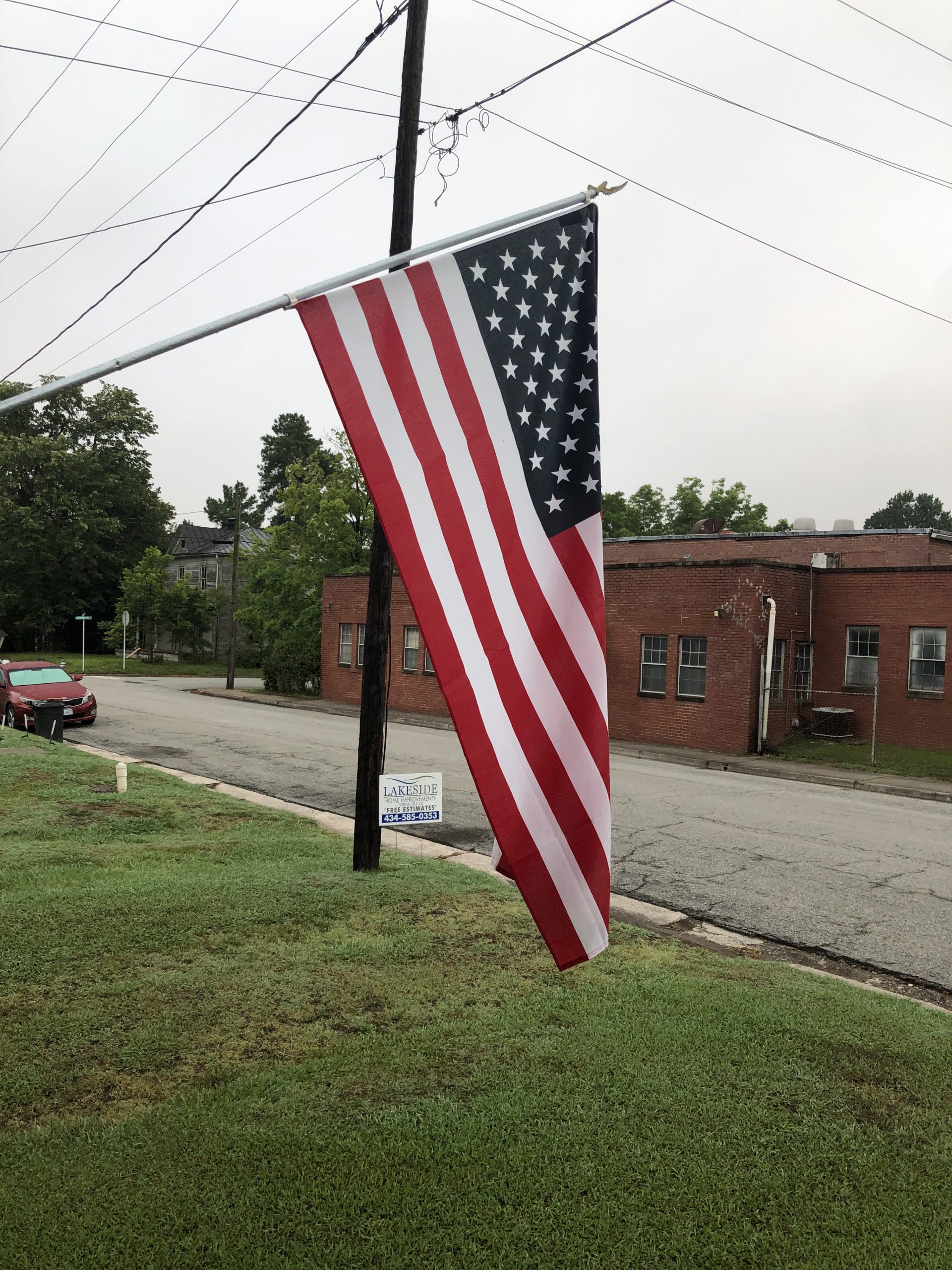
Oh Fort McHenry;
Little fort on Baltimore harbor,
Color guard of a country tried sore,
Little bastion of liberty
For yonder young Promised Land
In the war of 1812.
You loomed large
For distant little city girl
Born in 1952,
Her faith in you renewed
In 2027
With the dawning of an early light.
Star Spangled Banner
Puts freedom’s foes to flight.

The Cure

by: Shirley Satterfield

The Cure

Treat me softly.
Tell me that you love me,
Often.
Give me a hug when you can,
Post pandemic.

I have BPD.
I have major depression.
I have Post Traumatic Stress.
I am bipolar.

I am human.

Treat me softly.
This is the cure.

Rhyme Schemes for Wise Poets

The English language lends itself so well to rhyme that rhyme is common in English poetry, except for blank verse which has meter and no rhyme and free verse poetry. But even free verse poets can make use of internal rhyme in which two words within a line rhyme, use approximate rhyme, or the poet can end a free verse poem with a rhyming couplet. Poets have great creative license today in regards to rhyme. And basically there there are two major kinds of rhyme, approximate rhyme in which the end words of a line echo similar sounds and exact rhyme in which the exact sounds are repeated in two different words.

There are many rhyme schemes in found in traditional English poetry. but for the purposes of this article I will give you examples of five common types with probably the most common being alternate rhyme ABAB CDCD EGEG with ballades in particular making use of this device with an ABAB CDCD CDCD scheme.

The people along the sand A
All turn and look one way B
They turn their back on the land A
They look at the sea all day A

As long as it takes to pass C
A ship keeps raising its hull D
The wetter ground as glass C
Reflects a standing gull D

Another really common rhyme scheme is the couplet with an AA BB CC pattern.

Twinkle, twinkle little star A
How I wonder what you are A
Up above the world so high B
Like a diamond in the sky B

Another device is mono rhyme in which each line of the poem rhymes in a AAAA pattern.

Lifting her arms to soap her hair. A
Here pretty breasts respond-and there, A
The movement of that buoyant pair A
Is like a spell to make me swear. A

There are other more complex rhyme schemes that the poet can employ such as enclosed rhyme enclosed rhyme ABBA and the limerick which is AABBA.

The truth about poetry is that poetry is like spoken or literary music, so the sounds in poetry are important, and a good poet must have a real good sense of sound whether or not he writes free verse or traditional. Your poem should sound like a song in the head of your reader. At least this is my opinion.