
THIS ARTICLE ENTITLED, “FORGIVENESS” IS BY DR. SHANNI DOVER
Hello again, Dear Reader. For this installment I will be discussing forgiveness. Forgiveness is defined by Webster Merriam as, “the act of forgiving.” Needless to say, this definition leaves much to be desired. Therefore, we look again to the field of psychology for edification. Psychologists have defined forgiveness as:
A conscious, deliberate decision to release feelings of resentment or vengeance toward a person or group who has harmed you, regardless of whether they actually deserve your forgiveness…forgiveness does not mean forgetting, nor does it mean condoning or excusing offenses.
(Greatergood.UCBerkeley.edu)
This more thorough definition certainly better describes this concept. However, as usual we must look for ways of implementing this notion. Forgiveness can provide immense peace of mind. Nevertheless, this is something I think most of us struggle with, including me. Nagging thoughts of wrong-doing can certainly steal our sleep. We think of these assaults to our being and we ruminate. Yet we can work towards forgiveness.

Practicing Forgiveness:
I now refer to the following article by Dr. Wayne Dyer entitled, “How To Forgive Someone Who Has Hurt You: In 15 Steps”; there are practical tidbits here that allow you to free yourself from nagging thoughts, as summarized below:
- Move on to the next act – Your life is a play, in several acts; embrace the villains well as the good guys.
- Reconnect to spirit- Blend your physical self with your spiritual self and enjoy God-Consciousness; radiate love.
- Don’t go to sleep angry – Rather than reviewing your day or your life, practice “I Ams”; I am peaceful, I am love, I am content.
- Switch the focus from blaming others to understanding yourself – Shift your mental energy and allow yourself to focus on your feelings, without feeling wrong or chasing them away; change the way you perceive the power that others have over you by taking responsibility and “aligning yourself with the beautiful dance of life.”
- Avoid telling people what to do – People make their own choices; listen rather than expound, and replace the ownership mentality with allowing life to unfold.
“Your children are not your children. They are the sons and daughters of Life’s longing for itself. They come through you but not from you.”
-Kahlil Gibran

- Learn to let go and be like water – Don’t attempt to dominate and fluidly flow; soften your hard edges, be more tolerant and respond to others views with, “I’ve never considered that before, thank you, I’ll give it some thought.”
- Take responsibility for your part – If you take responsibility for having something in your life, you can also take responsibility for removing it and/or learning from it.
- Let go of resentments – You may have the ‘right’ to be upset, but resentment survives “not by the conduct of the other party in an altercation…they thrive because you’re unwilling to end the altercation with an offering of kindness, love and authentic forgiveness.”
“Someone must risk returning injury with kindness, or hostility will never return to goodwill.”
-Lao-Tzu
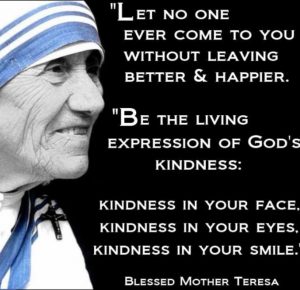
- Be kind instead of right – There is no need to make others wrong or to retaliate; depersonalize what you hear and meet them with kindness…you must do this for yourself.
- Practice giving – Leave your ego behind and be a giver of forgiveness; practice saying “Where there is injury, [let me bring] pardon.” – St. Francis
- Stop looking for occasions to be offended – Become a person who refuses to be offended by anyone or anything; do not judge others as it only defines you as one who Needs to judge others.
- Don’t live in the past, be present – Be in the now and practice living in the moment by enjoying the beauty around you.
- Embrace your dark times – Spiritual advances are often preceded by some perceived disaster; embrace and honor them.
- Refrain from judgement – Instead, be an observer and substitute love for judgement; align yourself with God-Consciousness to touch peace.
- Send love – Never slip into thoughts of harming others; steadfastly send love to those who may have impeded your happiness.
Forgiveness – Letting Yourself Off The Hook:
Finally, let’s talk about another hurdle you must cross in this process of forgiveness: forgiving yourself. We may be angry with others, and that requires forgiveness. However, part of our anger is often directed at ourselves.
Forgiveness is required to let yourself off the hook. Hindsight is 20/20, as they say. We can usually look back at our mistakes and pinpoint where we ‘went wrong’. This is the trap people fall into. This is how anger and disappointment towards ourselves can begin to grow and fester. We take out that broom, and we beat ourselves up for…not being smarter, not seeing through deceit, not trusting our intuition.
All thoughts of these possible actions we could have taken are fruitless. The past is over and obsessing over our perceived mistakes will not move us forward. To move forward we not only forgive others, but we also forgive ourselves.
I will now refer to an article entitled, “How To Forgive Yourself” by Sara Lindberg (2018) that provides insight into this process of forgiveness. We are all imperfect, and we must learn to move on from our mistakes. Let’s take a look!
- Focus on your emotions – Acknowledge and process your emotions; give yourself permission to accept your feelings.
- Acknowledge the mistake out loud – Give voice to your thoughts and say what you’ve learned; free yourself from the burden.
- Think of each mistake as a learning experience – Moving forward faster can be facilitated by changing to this mindset; remind ourselves we did the best we could with the knowledge we had.
- Give yourself permission to put this process on hold – Visualize putting negative thoughts and feelings into a Mason jar and lock them away; tell yourself that putting this aside for now will be beneficial.
- Have a conversation with your inner critic – You can write our this conversation; journaling can help you identify self-sabotaging thought patterns.
- Notice when you are being self-critical – As we are often our own worst critic, we must notice when that harsh voice comes into our awareness and write it down.
- Quiet the negative messages of your inner critic – Write dawn you inner critic messages on one side of a piece of paper; on the other side, write self-compassionate, rational responses.
- Get clear about what you want – If it is important to you to make amends, then mending fences may help you to fix your mistake.
- Take your own advice – Determine what you would advise your best friend to do, then take your own advice.
- Quit playing the tape – When you catch yourself demeaning yourself, stop replaying the tape; focus on one positive step of action.
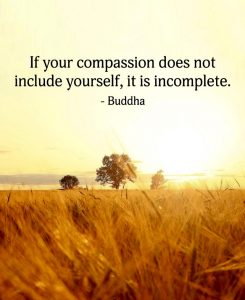
- Show kindness and compassion – Give yourself love and compassion; remind yourself that you are worthy of forgiveness.
Conclusions:
Forgiveness allows you to let go of guilt, shame and sadness; it allows you to move forward in your life. Letting go of the negative feelings can free you to feel good about yourself, regardless of your mistakes. Practicing forgiveness of yourself and others allows you to accept that mistakes are inevitable, and to learn and grow as a result of our life experiences.
As always, Dear Reader, please feel free to ask questions and/or leave comments below in join the discussion. I typically check back throughout the week for your thoughts. Until next time, stay safe and healthy!
THIS ARTICLE ENTITLED, “FORGIVENESS” IS BY DR. SHANNI DOVER