by: Shirley Satterfield
You Were So Pretty…What Happened?
The storms came and ripped up my leaves,
Robbed me of my flowers.
But soon I will be pretty again
When dawns a brighter hour.L
Daily Wisdom Words it is a writer's community
 Shirley Satterfield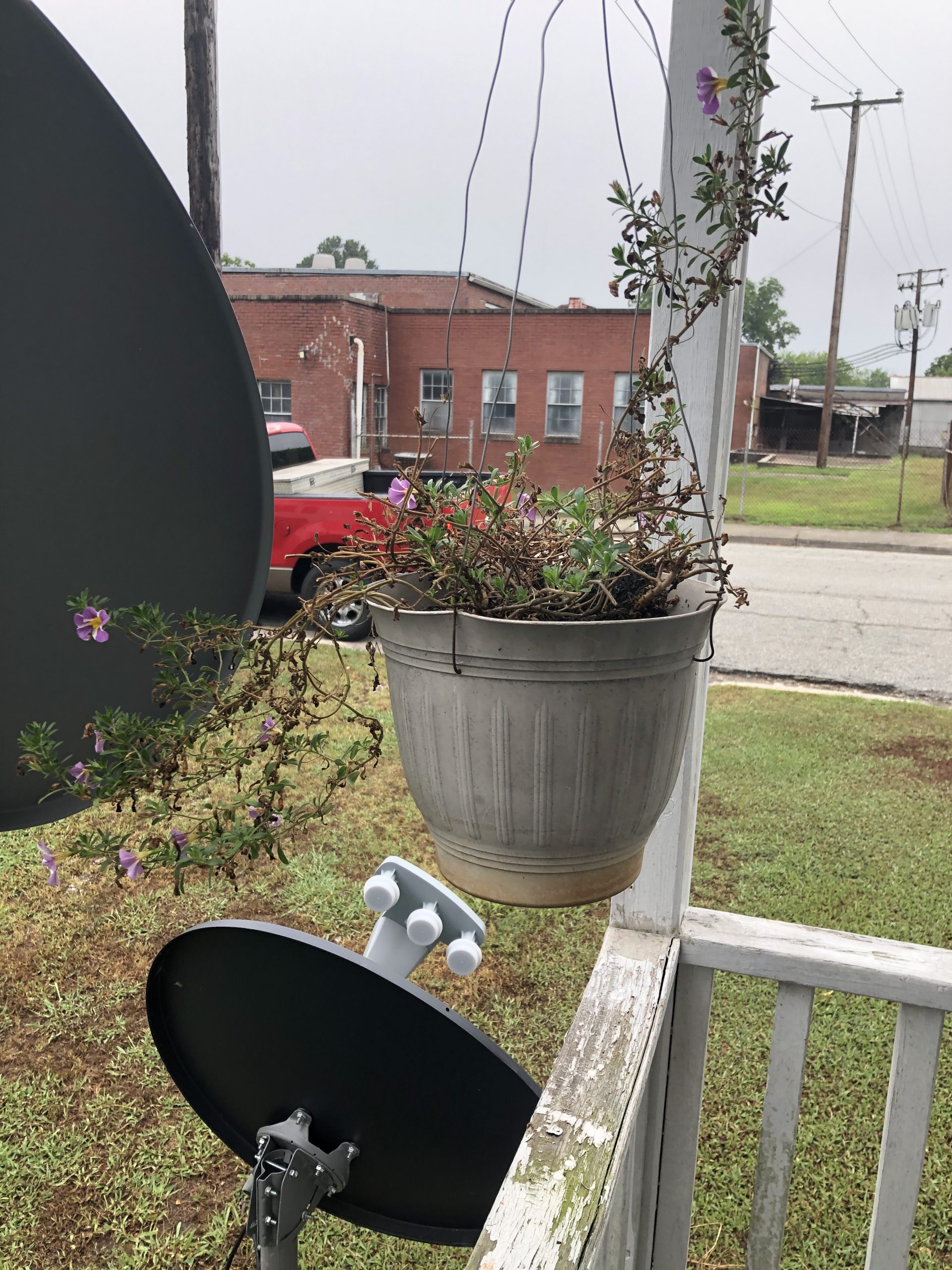
by: Shirley Satterfield
You Were So Pretty…What Happened?
The storms came and ripped up my leaves,
Robbed me of my flowers.
But soon I will be pretty again
When dawns a brighter hour.L

Dear Writing community, I just want to apologize for the lateness of this blog post. I have been very deeply under the health weather, but it is not due to the symptoms of Covid-19, fortunately, so I will be alright.
Last week I wrote about the importance of either writing what you know about, at least early on your writing career, or doing the research necessary in order to be intimately knowledgeable of your subject matter. Today I want to share with you a brief message about the importance of restricting your subject to one narrow subject and the how vital specificity is in good writing. For instance if you are going to write a nonfiction book about psychology, it would be better to narrow down your subject to how to resolve conflicts in marriage, for instance or specific treatment plans and therapies for depression rather then write some giant book on psychology in general, unless of course if you were writing a textbook. and then in the case of a more generalized approach to a subject like a text book, then you would still be dividing the book into specific chapter heading that still restrict your book into several tight units of specific information. One real case in point is the way our dailywisdomwords.com Samantha Leboeuf restricts her wisdom posts to one subject at a time and defining one word at a time using specific examples from her own life. So restrict it writers.
And it is also important to understand that the more specific you are in your writing style, the better are the end results regardless of the genre, fiction, nonfiction or poetry. For instance if you write about a red or green apple, you give your reader a rather bland description that is likely not to impress him much and actually bore him, but if you describe your object as a red delicious apple, or as a tart granny smith apple, you immediately illicit a more vivid picture in the reader’s mind of sight, size, taste and smell. So be as specific as possible when crafting your imagery,
Sometime soon, I will be seeking to interview a fiction author on what techniques are involved in writing novels. So stay tuned to dailywisdomwords.com for more great content, poetry, and good advice on every subject under the sum. And be sure to sign up today $10.00 lifetime membership fee. And remember, we are all friends here and we have your back.
by: Shirley Satterfield
You Were So Pretty…What Happened?
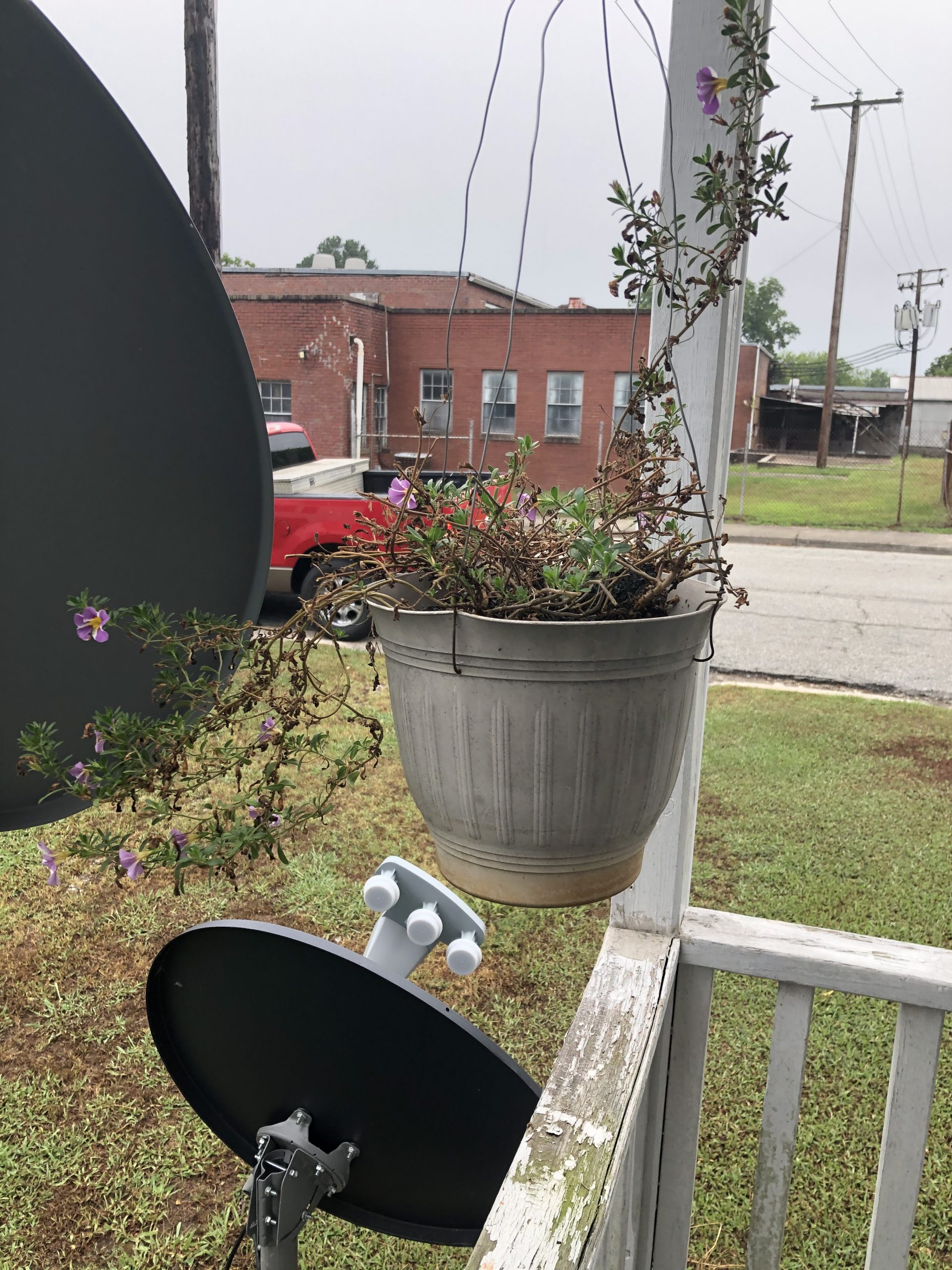
The storms came and ripped up my leaves,
Robbed me of my flowers.
But soon I will be pretty again
When dawns a brighter hour.
Some Writing Tips of My Own that I Learned Through the Years
I am a strictly a poet and a non-fiction writer, so writing fiction is out of my league. However, I have learned a few pointers about good writing in the classroom over the years that I think will be of help to writers of every ilk.
The first piece of advice that I ever heard from a high school English teacher was to “write what you know,” She gave the example of one man who lived in the 1800’s who told his wife that he could write a better novel than the ones that were written in his day. She then challenged him to “go and write one then.” The man subsequently wrote a book about life in the wild, wild West when the man actually lived in Boston. So the book did not succeed and bombed at the box office not finding a publishing house that would print it. Then the woman challenged him again to write a book set in his own hometown and the book became a best seller.
This story may sound trite, but a good case in point is the luminous career of writer JK Rowling of Harry Potter fame. The the setting for her novels was her own home town of London, a city whose culture, magic and ambiance she knew quite intimately. And not only did the brilliant lady know her setting and subject, she also did her homework and knew what her target audience wanted to read.
And that brings me to importance of research. There was another novelist who lived in the late 1800s by the name of Steven Crane who wrote a Civil War story entitled the Red Badge of Courage that was heavily based on personal research. Although he had not experienced the war first hand, he elected to move himself into a deeply impoverished ghetto neighborhood so he could experience the feeling of what people were having in their struggle for survival. This is the kind of in depth sacrifice that is sometimes required to create art,
Next week I will touch on how restriction and specificity in your writing can elevate your work of art into fine art.

by: Shirley Satterfield
My Recovery of True Self
Dear friends, I know that I have been a big pain in the butt for the past 10 years. But today after the experience of having much pain and anguish from seeking the approval of people whose parallel lines will never intersect with mine, I have finally found my true self again. So gradually I am healing and coming back to God and the original calling He has placed on my life to communicate the Gospel through the medium of poetry and the printed word. I am Shirley Mandel Satterfield, a woman of passion, ambition, and drive, and I’m so bad that I don’t give up ever on my life, my calling, my dreams. However, although being a professional poet was my first calling, and the reason why I went to school, being the caretaker for my aging special needs husband is my primary calling now. And Danny’s needs come first before my own needs and ambitions, as the way I think a Christian woman should live. Thus I want the world to know that I’m not to good to do the dishes or take out the trash. Thank God that I know who God is and I am fast recovering my true self. Free at last.
by: Shirley Satterfield
The Naked Shining Morning
Night about to disrobe
It’s darkness deep.
Think I’ll sit here
To take a peep.
Morning naked in all it’s glory.
This is my everyday
Morning glory story.
Pale is her body shining and bright.
The day star making
The world alright.
This is always the ending
Of our long dark night.
Good day
At this morning’s great display!

Twitter’s Own (Kattt): On The Cutting Edge of a Scotland Sea
1. When did you start writing and why?
Kattt – I started writing in my late teens. My niece was a baby and I would tell her little bedtime stories. As she got older I started to write them down. She loved listening and I even tried the various voices (tried and failed I might add). I used to have to call her at night retell her stories of pixie dust and princesses who rescued the princes. Eventually we read them together.
The other thing that drove me to write was it’s something I can do alone, without being part of the crowd. I don’t always fit in with a group and tend to find myself on the periphery.
2. What is your hometown and does your environment influence your writing in any way?
Kattt – I live in a small town close to the coast in Scotland. It heavily influences my writing in various ways. I often head off to the beach for a walk just to listen to the ocean. I find water calms my soul and let’s me write. I also write about water a lot.
3. What is the seminal inspiration for your poetry, your favorite themes etc and why.
Kattt – I am playing with themes if I’m honest. I don’t want to feel stuck in a genre so I try to push myself past my comfort zone to allow me to grow into it. My most prominent theme would be realism tho. I use my personal experiences a lot and write from the heart. But also write about others feelings, their stories and experiences. I write their words.
4. What forms of poetry do you like use, for example free verse, sonnets, a meter and rhyme scheme? Do you write in other forms of writing such as novels, short stories, nonfiction or journalism?
Kattt – I’m most comfortable using the meter & rhyme process but then feel it can be somewhat pedestrian. I’m working on expanding free verse but not quite as comfortable with this. I’d love to write in the abstract but my mind doesn’t want to cooperate.
I have some wip in the form of short stories that I have been “working” on for a long time. Over the past while life has gotten in the way of writing so I’ve utilised my limited free time in the form of poetry. I can rattle up a poem in 5mins (yes… you can tell with some of them lol) this allows me to still feel creative and use both parts of my brain for a few minutes.
5. Do you have someone special in your life you like to write to or about.
Kattt – hmm, this is a tricky one. Some of my writing has focused on past relationships – the good and the bad. I find it quite cathartic. I write to relive the good times but it banish some of the bad. Heartbreak is always a good medium. Currently, no-one serious but I’m working on it lol
6. What do you want the future to hold for you as a writer. Your plans.
Kattt – One day I’d love to put together a collection of poetry or short stories and publish but I have a long way to go before I have the skill to be successful. Til then I will keep experimenting until I find my niche and gain the experience to move to that elusive next level
Thanks dear
A Call to Home
A Poem By Kattt
I’m tense.
My body rigid
in the frigid cold.
Breath erratic,
As I rush to that place.
That one place that will always save me!
In the near distance,
I can feel it pulling me…
Calling to me.
Urging me to hurry!
I’m so close now,
I can feel icy stabs on my ruddy cheeks,
taste the tang of salt on my cracked lips.
I hear the swirl and roar of the waves.
On the precipice of the abyss,
I silently flutter.
And with unseeing eyes
through dark murky waves,
I seek my truth.
Through a choppy, abstract reflection I finally see my beauty
And with one tiny step,
I finally feel home.

Sandra Cisneros: Wise Poet of Chicana Literature
The Chicana writers are a group of poets and authors of a current Mexican/American “cultural hybridity” tradition. And Sandra Cisneros is one of the most prominent figures in this post-modern movement with her much loved novel The House on Mango Street, her short stories, and her poetry,
This engaging novel follows the life of Esperanza a 12 year old girl, living in Chicago, who straddles life between two cultures, Mexican and American. And much like Cisneros herself, she faces a life in poverty in a highly male driven patriarchal society. This book, originally written in English, has been translated into 20 languages and appeared on the New York Times Best Selling List.
Cisneros, in addition to being a highly successful novelist, is also an accomplished poet whose poetry touches on both American and international racism regarding the misconceptions and stereotypes of the Mexican/American people,
He says he likes Mexico,
especially all that history.
That’s what I understand
although my French
is not good.
And wants to talk
about U.S. Racism.
It’s not often he meets
Mexicans in the South of France.
He remembers
a Mexican Marlon Brando once
on French tv.
How in westerns,
the Mexicans are always
the bad guys, And-
is it true
all Mexicans
carry knives?
I laugh.
Lucky for you
I’m not carrying my knife
today.
He laughs too,
I think
the knife you carry
is abstract.
Cisnereos is a highly respected writer who has won such awards as the National Endowment of the Arts Fellowship and the Ford Foundation Art of Change Fellowship. She was born in Chicago on December 20, 1954 and currently lives in San Miguel de Allende.
by: Shirley Satterfield
Sky Moods
Angel cloud passing over me.
Fleetingly. Fleetingly.
Mother Nature’s on the move.
Nothing ever stays the same.
First an angel.
Then a dog
With a really mangy mange.
One comes and and one goes,
Then another one came.
Nothing ever stays the same.
Daily Wisdom’s Own Island Poet Michelle Hugelmann: An Interview
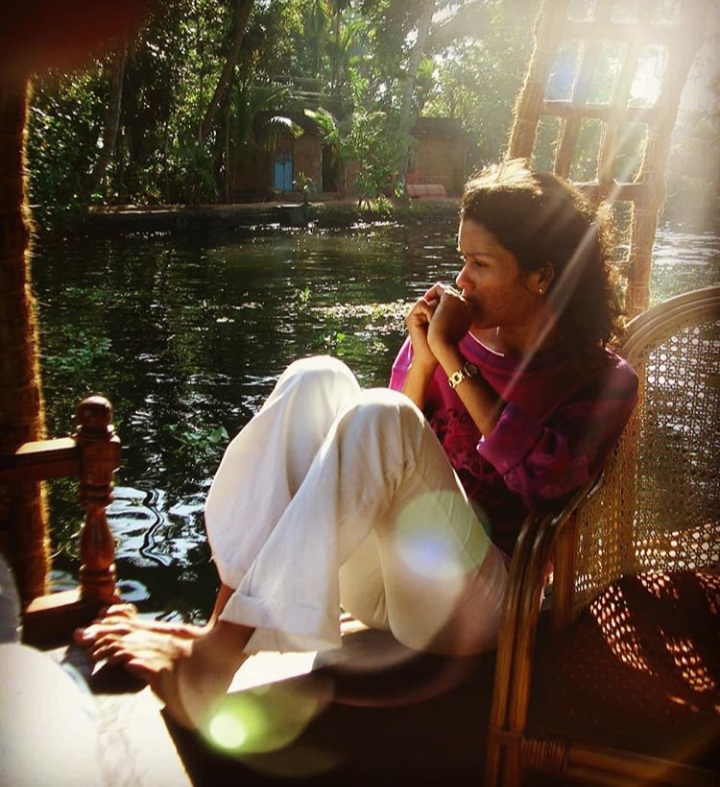
1, Michelle, can you tell us where you are from and a little about your current life, work and any special relationships?
My name is michelle helene hugelmann(amblavaney). 44 years old. And married, children
I live in Seychelles .Seychelles is an archipelago of 115 islands. i live on the main island of Mahe. Aside from writing, I enjoy reading and cooking and I love animals .I have been unemployed for a long time due to my illness. was diagnosed with lupus since i was 18 and lately an overlap of lupus mixed connective tissue disorder.
2, When did you start writing poetry and what was the inspiration?
.My fascination and love for poetry started when i was 15 .i would play with words in my head and try to make them rhyme and it slowly grew from there though i never really wrote much back then.i started putting more effort and life into my poetry when i was much older . a lot of things inspire me really my love for life and nature as much as a curious sense of everyday emotions.
3. What are your favorite themes to write about, and what is your favorite form to write in?
I don’t really have a favourite theme though love is a major force . I like to touch a bit of every emotion which touches my heart and mind.
.Aside from poetry I do sometimes write short stories mostly for my own amusement.
4. What are the dreams for the future that you have for your poetry and your life?
I have a lot of dreams but i am working on one ,this is the publication of my work thus far like an anthology. It has taken some time due to some setbacks but happy to say much is in progress. As for my life I want to make it as interesting as possible. I will try some photography which is also one of my dreams. for the rest i want to live and give kindly my help and love and enjoy the simple pleasures of everyday life
“With every flutter of her heart
her lovely feature rise.
She sways and sigh..
in beauty she abides
in strength she thrives
with grace her spirit flows
in wings of colored hope.”
……………………………………………………..
Note: The Seychelles Islands is an Island nation located in the Indian ocean due east of the continent of Africa It was uninhabited until it was occupied by Europeans in the 16th century and came under British control in the 19th century until the islands gained independence from Great Britain in 1976. Today, the Seychelles Islands is a largely agricultural nation, but also boasts of a great tourism economy,

by: Shirley Satterfield
On The Holy Moment of Death 😇
(Dedicated to Samantha and Jenny
at the hour of completion.) 💕
The Tide comes in.
The Tide goes out,
As the water rises
Back to the sky,
Borne on angel wings.
The sea then sleeps
With Him on high.
Peace has settled on the ocean
When the moon has completed
Its circular motion.
When the cycle is complete
Jesus sits upon His Mercy Seat.
by: Shirley Satterfield
An Attitude of Solitude 🌅
I’m going outside
to enjoy the wonders of the morning
And the company of the fearfully anf wonderfully
Made me.
Oh what a glorious sky.
I’m not shy,
But I do like to be alone
To hear the birdies sing.
His nature is my thing.
by: Shirley Satterfield
Jesus said,
“Come unto me all you who labor
And I will give you rest,.”
Just rest and be blest.
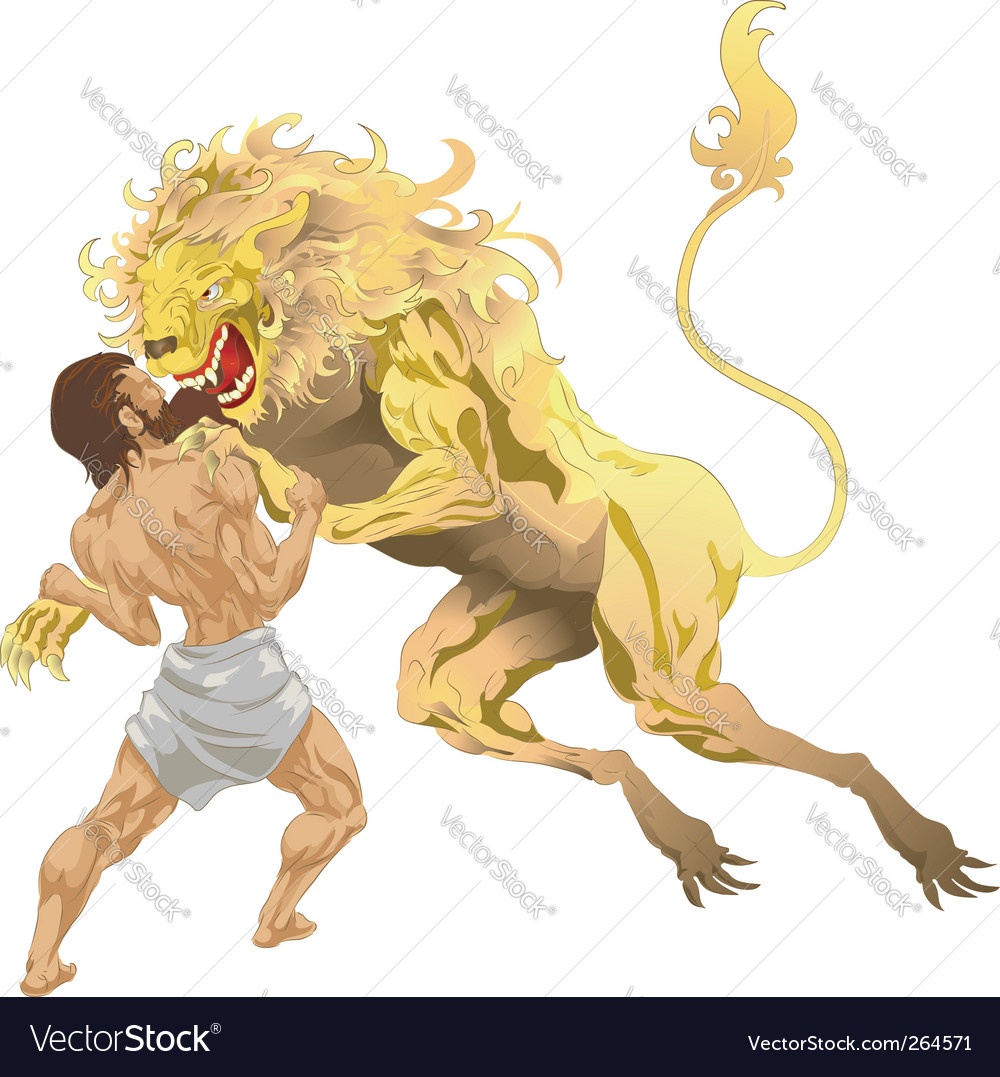
But I must think I’m Hercules
For all I do is do do do.
Such labor gives a real bad Flu,
Yet all I do is do do do.
Walmart heavy lifting.
Patience exercised, a real soul sifting.
Technology about to make me break.
What is real and what is fake?
{Perhaps I need a little rest.
Be still in Jesus and just be blest.

by: Shirley Satterfield
The mighty ocean,
An organism in its own rite.
Teeming with life,
Rife with the nice music of the moon.
God’s precision instrument
Embracing earth’s sandy sod.
Home of the tuna.
Home of the cod.
There is my heart
Where life got its start
Perhaps I’ll be consigned there soon
As written in the music of the moon.
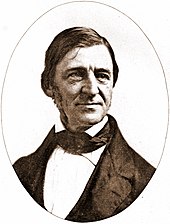
Ralph Waldo Emerson: America’s Most Influential Essayist
Emerson may have been an ordained minister and the son of an ordained minister, but he was anything but a Christian. He was the, in fact, the man credited with being the primary leader of the American transcendentalist movement and the father of it.
Actually though, transcendentalism was really nothing new in the world but hearkened back to the more ancient nature religions of the past pre-Christian eras of history. The core value of this “new” post Christian American philosophy is that both man and nature are good and that everything in nature is God and that God is diffused throughout nature. This is called pantheism. In other words, everything that exists is God and contains God and thus reality cannot be understood outside the realm of nature.
The values of individualism and self reliance were also paramount in Emerson’s transcendentalist philosophy, in which the highest state of man is to be an independent free thinker whose thought transcends the traditional norms of society. Thus the values of individualism and self reliance were important to both Emerson and his protege David Henry Thoreau and still hold sway over American people today as being perceived to be the ultimate freedom for the freedom loving American people.
Born on May 25, 1803 in aristocratic Boston, Massachusetts to a Unitarian minister father and a staunch Anglican mother, Emerson indeed became a Unitarian minister after graduating from Harvard University and Harvard Divinity School, which was in the keeping with the family tradition of his forefathers being in the ministry. But not believing in the miracles of the Bible, he got disillusioned with Christianity and left the ministry. He then began to write his very influential essays and poems and to give speeches at various colleges and universities. His first published transcendentalist essay was entitled “Nature” and he went onto deliver a highly influential speech at Harvard University entitled “The American Scholar” which the then prominent poet Oliver Wendell Holmes went on to call “America’s Intellectual Declaration of Independence” . And Emerson’s influence is still felt in the halls of higher learning today since the objective of most schools today is to teach the students the principles of independent critical thinking. In this way Emerson is still an important influence on American education, touching nearly all of us.
Emerson went on to give many important speeches which he edited into a final essay format which he divided into two groups; Essays: First Series and Essays: Second Series and some of the things that he said are as follows:
1, Every spirit builds itself a house; and beyond its house a world; and beyond its world, a heaven.
2, But if a man would be alone, let him look at the stars.
3. The happiest man is he who learns from nature the lesson of worship.
…………………………………………………………………………………………
Emerson was considered to be an American mystic because of his focus on the intuition and spirit, however he was not a Christian mystic because he did not belive in a personal God.
He died on April 27, 1882 in the city of Concord, Massachusetts.

by: Shirley Satterfield
Bad lands.
Red dirt.
Ruddy rocks rising up
Like a menacing jerk.
The landscape speaks of an angry hand.
God is looking down at a sinful Man.
May we all find mercy under His luminous gaze.
And may He forgive all our scarlet ways.

Abuh Monday and His Wise Reflections on His Life and Works
Nigeria is one place like any other place that possesses the ability of making and destroying a man and his passion especially when it is ridden with certain culture that doesn’t allow certain profession.
Life in Nigeria is what many would call ‘not too pleasant’ because of the absence of many opportunities they desire. I was in that category. I searched for a platform that would project my art but there was none. So, I created my own platform by reading poems on radio. In three words, it is adventurous.
I don’t know about other poets but poetry like my lecturer would say is innate. Inspiration to write poetry came spontaneously when my heart was filled with too much thought about the bad and unpleasant things that was happening around me. If I’m not mistaken, the first poem I wrote was about the war of choice between father and son.
To an extent, I think it was the need to correct and say things I wasn’t bold enough to utter that inspired me to start writing poetry.
On Twitter. I posted one of my poem and a member from DWW liked it and introduced me to the writing community. It wasn’t long after that encounter that the founder, Samantha Lebeouf, saw it necessary to make the host on DWW MUSIC PROMPT.
I guess it was partly the motivating words of Samantha Lebeouf and my love for music. As a radio broadcaster, music as well as talk is one the things we hold dear and also use while on air.
I still recall how I tried to paint the imagination I had in my head but it just couldn’t come out until I turned on the stereo. So, yes music inspires my writing greatly. I think it helps calm me down or should I say ease the tension in wanting to express quickly what I have up stairs so I can paint the idea well.
Piary is a collection of poems that explicates to a great length, the things I experienced. I call it Piary because it is a poetic diary. I’ll tell you how I came about the name. So, I was in deep thought of what to call it. Truth be told, I needed something out of the world. Something unusual. “Since it is a diary of poems, why not call it Piary” That was me talking to me. The sound of it was awkward at first but a friend told me it was cool so I clinged to it.
I’m not really good with following rules and that’s the reason why I decided to make the e-book of Piary free for readers on Google drive. Hard copies will be available June 15. You could get via this link: https://drive.google.com/file/d/12cwPU-rqKGN5EHD_j6aWfnLpk-CrfWc4/view?usp=drivesdk
Now, drama and prose. I’m currently working on a novel, Eagle of the North. If all works out as planned, I’ll have it published before the end of 2020 or when when I start a post graduate course in Arts History or Journalism.
……………………………………
“A rough cloth is always not good to the eye but when you iron it, there will be a revelation of its beauty whether old or new. Many things happen in the mind of a man when he receives not creative ideas. See, just like a rough shirt, you must press it so you can see the beauty.”
Abuh Monday Eneojo
PIARY (Diary of a pensive poet)

Francis Scott Key: On The Fence in Freedom’s Defense
Some poets are famous for only one poem, and Francis Scott Key, a Fredrick, Maryland lawyer is the amateur poet who was famous for writing the immortal words of America’s national anthem; The Star Spangled Banner.
He had boarded an English warship during the War of 1812 to secure the release of one prisoner of war by the name of Dr. William Beans. The War of 1812 was a naval war over maritime rights between the two nations on the high seas and the British bad habit of impressing American merchant seamen into into service in the British Navy. And it was in the morning after one especially fierce battle on September 14, 1814 that Key felt inspired to write the words of the poem originally entitled the “Defense of Fort M’ Henry”as he beheld the sight of a tattered American flag still flying high over Baltimore’s own fort, Fort M’ Henry. And the words are truly stirring.
The Star-Spangled Banner
Oh, say can you see by the dawn’s early light
What so proudly we hailed at the twilight’s last gleaming?
Whose broad stripes and bright stars thru the perilous fight,
O’er the ramparts we watched were so gallantly streaming?
And the rocket’s red glare, the bombs bursting in air,
Gave proof through the night that our flag was still there.
Oh, say does that star-spangled banner yet wave
O’er the land of the free and the home of the brave?
On the shore, dimly seen through the mists of the deep,
Where the foe’s haughty host in dread silence reposes,
What is that which the breeze, o’er the towering steep,
As it fitfully blows, half conceals, half discloses?
Now it catches the gleam of the morning’s first beam,
In full glory reflected now shines in the stream:
‘Tis the star-spangled banner! Oh long may it wave
O’er the land of the free and the home of the brave!
And where is that band who so vauntingly swore
That the havoc of war and the battle’s confusion,
A home and a country should leave us no more!
Their blood has washed out their foul footsteps’ pollution.
No refuge could save the hireling and slave
From the terror of flight, or the gloom of the grave:
And the star-spangled banner in triumph doth wave
O’er the land of the free and the home of the brave!
Oh! thus be it ever, when freemen shall stand
Between their loved home and the war’s desolation!
Blest with victory and peace, may the heav’n rescued land
Praise the Power that hath made and preserved us a nation.
Then conquer we must, when our cause it is just,
And this be our motto: “In God is our trust.”
And the star-spangled banner in triumph shall wave
O’er the land of the free and the home of the brave!
But unfortunately this ‘ home of the free and land of the brave’ as expressed in the first stanza of this four stanza poem was not a totally free country; America in 1814 was still half slave and half free, and the poet himself was on the fence between the two opinions on the issue.
Key himself was a slave owner by the year of 1800, and for this, both he and his poem received bad reviews in abolitionist circles, but in Key’s defense, he was also a man who was experiencing a measure of personal growth in his morals and values, so he freed most of his slaves in the 1830’s and hired one man back and paid him wages to manage his farm. However Key was also a lawyer who played both sides by representing slaves who were trying to gain their freedom at no charge to them, but also he represented slave owners who were trying to recover their runaway slaves. So this man was definitely on the fence regarding freedom and liberty for all and still had a lot of growing to do in his views by his death in the year of 1843 (as did the rest of the nation).
And grow the nation did, but slowly, and it took the growing pains involved in fighting a bloody Civil War to bring civil liberty to everyone which was beautifully expressed in a fifth stanza added to the “Star Spangled Banner’” by poet Oliver Wendell Holmes eighteen years after Key’s death during the Civil War.
When our land is illum’d with Liberty’s smile,
If a foe from within strike a blow at her glory,
Down, down, with the traitor that dares to defile
The flag of her stars and the page of her story!
By the millions unchain’d who our birthright have gained
We will keep her bright blazon forever unstained!
And the Star-Spangled Banner in triumph shall wave
While the land of the free is the home of the brave.
There were many patriotic songs like “America the Beautiful” and “My Country Tis of Thee” being considered for the honor of being named America’s National Anthem, but on March 3, 1931 ‘The Star Spangled Banner’, now the anthem of the US Navy, was declared to be the National Anthem by the Congress of the United States and was signed into law by President Herbert Hoover.
And America has been experiencing intense social justice growing pains ever since the Civil War and the penning of those poignant words and continues to struggle in the American quest for equality and freedom to this very day.

by: Shirley Satterfield
Ah yes, that’s a picture of me,
A lighthouse at top a rocky rock
Over looking a stormy sea,.
That picture is the real me.
Passion,
Energy,
Drive.
Born and bred in a hostile environment,
Ah but I have survived.
With God;s help I thrive.
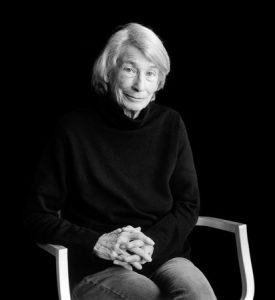
Mary Oliver and Her Wise Connection to the Natural World
Mary Oliver was such a natural born poet that she started writing by the young age of 14, eventually winning the National Book Award and the Pulitzer Prize in 2007. And the New York Times said of her “that she was by far this country’s best selling poet. But Oliver was first and foremost nature’s most prominent post modern poet.
She grew up in the semi rural Cleveland suburb of Maple Heights, Ohio and was by and large a lover of the great outdoors. Born to Edward William and Helen Oliver on September 10, 1935, and she described her childhood as being lonely and difficult and her family as dysfunctional, so she felt strongly drawn to the woods outside and escaped into a world of poetry. Nature was her comfort and poetry her retreat Oliver said of her hometown,
It was pastoral, it was nice, it was an extended family.
I don’t know why I feel such an affinity with the
natural world except it was available to me.
Perhaps the sky, the birds and the trees became her “extended family because her own family had emotionally abandoned her. And it’s poems such as The Kitten that shows the poets unique perspective on nature and how she was one woman, as one critic put it, “thar stood on the line between earth and sky…human and animal.”
The Kitten
More amazed than anything
I took the perfectly black
stillborn kitten
with one large eye
in the center of its small forehead
from the house cat’s bed
and buried it in a field
behind the house.
I suppose I could have given it
to a museum,
I could have called the local
newspaper.
But instead I took it out into the field
and opened the earth
and put it back
saying it was real,
saying, life is infinitely inventive,
saying what other amazements
lie in the dark seed of the earth
lie in the dark seed of the earth, yes,
I think I did right to go out alone
and give it back peacefully, and cover the place
with the reckless blossoms of weeds.
Here, in just plain, ordinary everyday English, Oliver mesmerizes the reader with the wonder of this anomaly of nature while holding the hapless dead creature to the highest standard of dignity, as if it was a human being.
Oliver never finished earning her college degrees at Ohio State University and Vassar University, but at age 17 she paired with Norma Millay to organize the papers of the late Pulitzer Prize winning poet Edna St. Vincent Millay, no doubt getting a real education on how to write fine poetry. Oliver’s own prize winning book was entitled American Primitive.
Oliver died shortly after being diagnosed with lung cancer on January 17, 2019 at age 83.
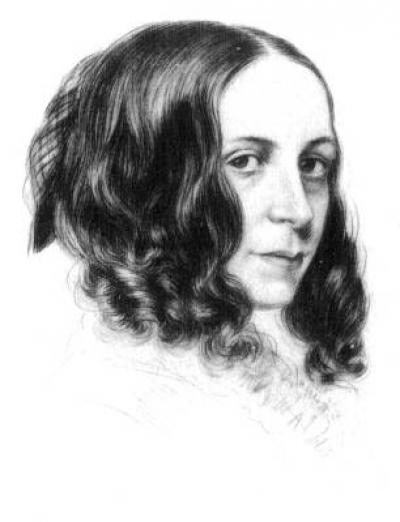
Elizabeth Barrett Browning: Sweet Lady Poet of the Love Sonnet
Elizabeth Browning was the proverbial child prodigy who began writing at the early age of 11, and her lifetime body of work boasted of the largest collections of childhood poetry in existence. Then after being accepted as an adult into some of Britain’s most prestigious literary circles during the Victorian era, she bedazzled both readers and other poets alike with her love sonnets, becoming an influence on such great American poets as Edgar Allen Poe and Emily Dickinson. In fact, she was so renown in Great Britain that she was being considered for the office of Poet Laureate by the Royal Family.
Born on March 6, 1806 to a well off Englishman named Edward Moulton Barrett, she was the eldest child of 12 children and spent a happy childhood in a large country home in Durham, England. However, she fell ill at age 15 succumbing to headaches, and after the death of a brother, she became a bit reclusive and shy. But, she was not too shy to be swept off her feet by another poet, Robert Browning, who fell deeply in love with her after reading her beautiful verses about love, but fearing the disapproval of her father, she kept her marriage a secret for a week while still living under his roof as if she were still single. And he did indeed disown her, and her most famous Sonnet “How Do I Love Thee” tells of her legendary love for the man, a poem that is a pure joy to read.
How Do I Love Thee
How do I love thee? Let me count the ways.
I love thee to the depth and breadth and height
My soul can reach, when feeling is out of sight
For the ends of being and ideal grace.
I love thee to the level of every day’s
Most quiet need, by sun and candle-light.
I love thee freely, as men strive for right.
I love thee purely, as they turn from praise.
I love thee with passion put to use
In my old griefs, and my childhood’s faith.
I loved thee with a love I seemed to lose
With my lost saints. I love thee with the breath,
Smiles, tears, of all my life; and, if God choose,
I shall love thee better after death.
Now this kind of love smacks of intense unconditional, almost everlasting commited love “beyond death,” if possible, howbeit she had to keep it discreet by calling it her “most quiet need,” she had a controlling father after all, and she did live in Victorian times when Christianity ruled and propriety was the order of the day, and girls were mostly educated at home, and when all outward manifestations of outward passion had to be kept under one’s strict control at all times.
Her most famous book was entitled Sonnets from the Portuguese, all love poems and she died on June 29, 1861 in Florence, Italy, but not before this poetess made giant inroads for many English speakin female poets that came after her.